How Eco Roofing Contributes to Green Building Practices
The construction industry is undergoing a significant transformation as the demand for sustainable building practices rises. One of the most impactful innovations in this realm is eco roofing. This approach not only enhances the aesthetic appeal of buildings but also plays a crucial role in promoting environmental sustainability. In this blog post, we will explore how eco roofing contributes to green building practices, its benefits, and practical examples of its implementation.
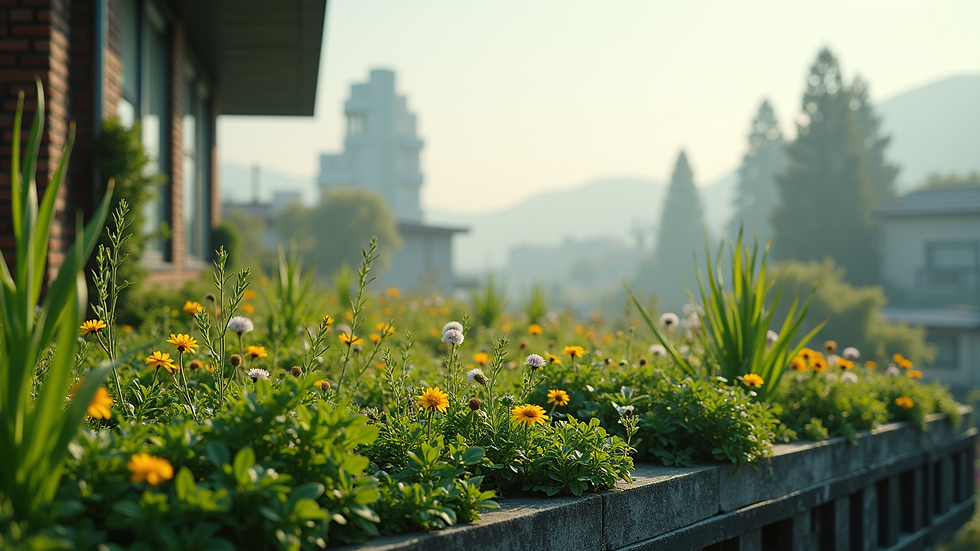
Understanding Eco Roofing
Eco roofing refers to roofing systems that are designed with sustainability in mind. This can include green roofs, solar roofs, and roofs made from recycled or sustainable materials. The primary goal of eco roofing is to minimize environmental impact while maximizing energy efficiency and aesthetic value.
Types of Eco Roofing
Green Roofs: These roofs are covered with vegetation and soil, providing insulation and reducing stormwater runoff. They can be extensive (lightweight and low-maintenance) or intensive (heavier and requiring more maintenance).
Solar Roofs: Incorporating solar panels into roofing systems allows buildings to generate renewable energy. This reduces reliance on fossil fuels and lowers energy costs.
Recycled Material Roofs: Roofs made from recycled materials, such as rubber or metal, help divert waste from landfills and reduce the need for new raw materials.
Benefits of Eco Roofing
Environmental Impact
Eco roofing significantly reduces the carbon footprint of buildings. Here are some key environmental benefits:
Energy Efficiency: Green roofs provide natural insulation, reducing the need for heating and cooling. This leads to lower energy consumption and reduced greenhouse gas emissions.
Stormwater Management: Green roofs absorb rainwater, reducing runoff and decreasing the risk of flooding. This helps protect local waterways from pollution.
Biodiversity: Green roofs create habitats for various species, promoting urban biodiversity and enhancing the ecosystem.
Economic Advantages
Investing in eco roofing can lead to substantial financial benefits:
Lower Energy Bills: By improving insulation and generating renewable energy, eco roofs can significantly reduce energy costs for homeowners and businesses.
Increased Property Value: Properties with eco-friendly features often have higher resale values. Eco roofing can enhance curb appeal and attract environmentally conscious buyers.
Tax Incentives: Many governments offer tax credits and incentives for buildings that incorporate sustainable practices, including eco roofing.
Social Benefits
Eco roofing also contributes to the well-being of communities:
Improved Air Quality: Vegetation on green roofs helps filter pollutants and improve air quality, creating healthier urban environments.
Aesthetic Appeal: Green roofs can transform urban landscapes, providing green spaces that enhance the visual appeal of buildings and neighborhoods.
Community Engagement: Eco roofing projects often involve community participation, fostering a sense of ownership and pride among residents.
Practical Examples of Eco Roofing
Case Study: The Bosco Verticale in Milan, Italy
The Bosco Verticale, or "Vertical Forest," is a pair of residential towers in Milan that feature extensive green roofs. These buildings are home to over 9,000 trees and 20,000 plants, providing significant environmental benefits. The green roofs help reduce energy consumption, improve air quality, and create a unique urban habitat.
Case Study: The California Academy of Sciences in San Francisco, USA
The California Academy of Sciences features a stunning green roof that is home to native California plants. This eco roofing system not only provides insulation but also captures rainwater for irrigation. The building has achieved LEED Platinum certification, showcasing the effectiveness of eco roofing in sustainable design.
Challenges and Considerations
While eco roofing offers numerous benefits, there are challenges to consider:
Initial Costs: The upfront costs of installing eco roofing can be higher than traditional roofing systems. However, long-term savings often outweigh these initial investments.
Maintenance: Green roofs require ongoing maintenance to ensure plant health and structural integrity. This can be a consideration for building owners.
Climate Considerations: The success of eco roofing can depend on local climate conditions. It's essential to choose appropriate plant species and materials that can thrive in specific environments.
Conclusion
Eco roofing is a vital component of green building practices, offering a range of environmental, economic, and social benefits. By investing in eco roofing, property owners can contribute to a more sustainable future while enhancing the value and appeal of their buildings. As the demand for sustainable construction continues to grow, eco roofing will play an increasingly important role in shaping our urban landscapes.
By embracing eco roofing, we can create healthier, more sustainable communities that benefit both people and the planet. If you're considering a roofing project, think about how eco roofing can make a positive impact on your environment and your wallet.
Comments